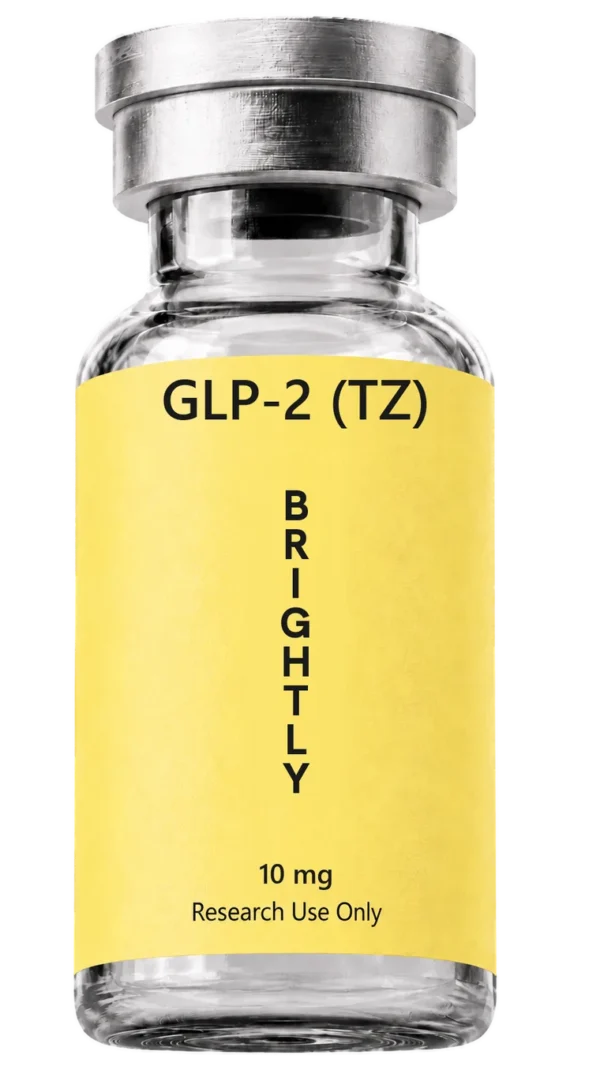
GLP-2 (TZ)
For research use onlyCAS 2023788-19-2
A synthetic 39-amino-acid, single-chain dual-receptor agonist research peptide.
Mass (mg)
Bundle & Save
Frequency


before 1:00 PM CT
money-back
on orders $50+
Dual-receptor agonist. GLP-2 (TZ) is a synthetic, single-chain peptide developed as a single-molecule agonist characterised for activity at two receptor systems at once. It is a 39-residue chain carrying a fatty-acid modification that supports reversible albumin binding, a strategy used in research to slow enzymatic degradation and extend peptide stability under study conditions. Brightly supplies it as a lyophilized (freeze-dried) powder in a sealed, tamper-evident vial, prepared and handled strictly as a characterised reference material for in-vitro laboratory research.
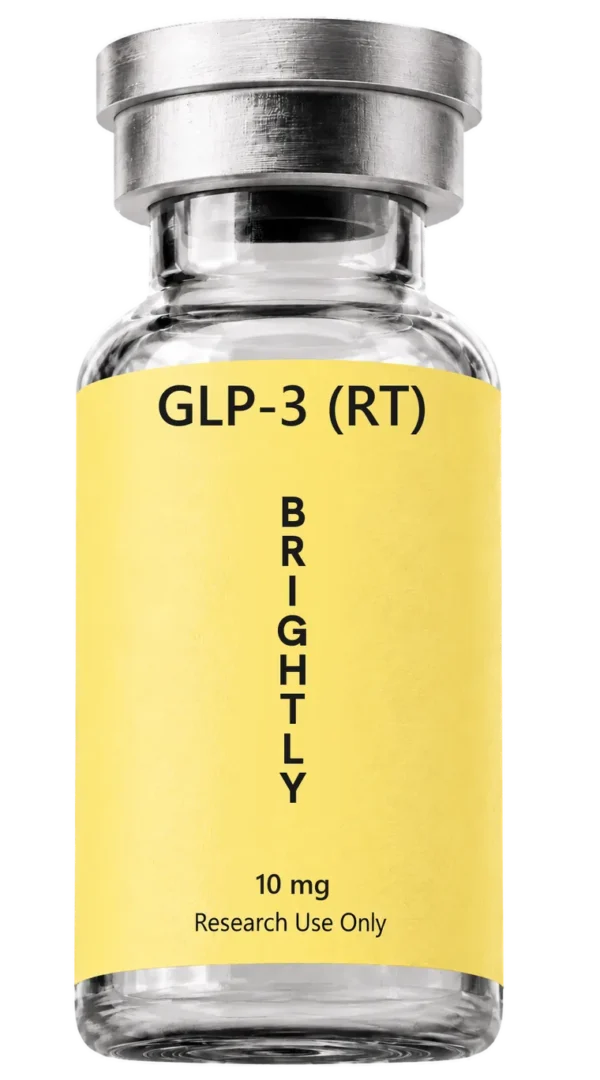
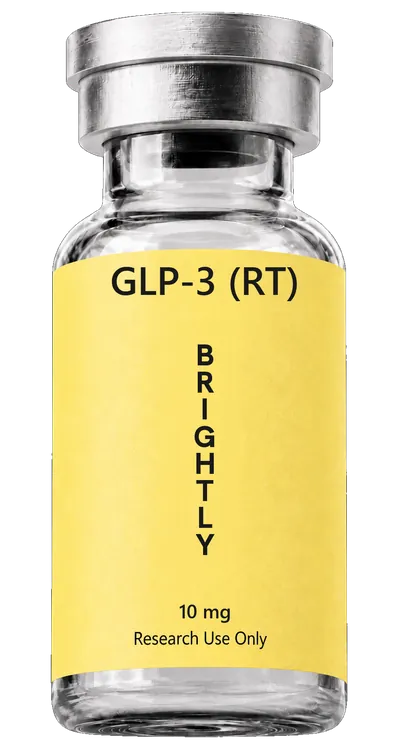
Where a single-receptor agonist engages one of these pathways, GLP-2 (TZ) is characterised for activity at two, adding glucose-dependent insulinotropic polypeptide (GIP) receptor engagement to glucagon-like peptide-1 (GLP-1) activity. That receptor coverage places it between its single-receptor GLP-1 (SM) and triple-receptor GLP-3 (RT) siblings:
| Research peptide | GLP-1 R | GIP R | Glucagon R |
|---|---|---|---|
| GLP-1 (SM) | Yes | – | – |
| GLP-2 (TZ) | Yes | Yes | – |
| GLP-3 (RT) | Yes | Yes | Yes |
The two receptor systems it is characterised for, glucagon-like peptide-1 (GLP-1) and glucose-dependent insulinotropic polypeptide (GIP), both belong to the incretin family and are studied together in controlled metabolic-signaling research. Because a single sequence engages the pair, GLP-2 (TZ) is used in laboratory settings to study receptor pharmacology, incretin crosstalk, metabolic-signaling pathways, and peptide stability, rather than co-applying two separate research peptides.
Supplied strictly as a characterised reference material for in-vitro and preclinical laboratory work, not for any diagnostic or therapeutic purpose.
| Peptide class | GIP/GLP-1 receptor agonist |
|---|---|
| Molecular formula | C225H348N48O68 |
| Molecular weight | 4813.45 g/mol |
| CAS number | 2023788-19-2 |
| Sequence | 39-residue single chain (full sequence on the COA) |
| Purity | ≥99% (HPLC) |
| Form | Lyophilized powder |
| Quantity | 10 mg or 30 mg per vial |
| Testing | HPLC, endotoxin (LAL), microbial DNA (PCR), third-party |
| Documentation | Certificate of Analysis included |
| Storage | −20°C, protect from light |
| Application | Research use only |
Research overview
GLP-2 (TZ) is supplied as a characterised reference material for controlled in-vitro and preclinical laboratory work. It is synthesised and purified to industry-standard protocols, making it suitable for analytical testing, receptor-pharmacology studies, and experimental metabolic models. As a single molecule characterised for activity at two incretin receptors, it lets researchers study combined receptor engagement in one defined compound rather than by co-applying two separate peptides. Every lot is verified by HPLC for purity and identity, with a lot-specific Certificate of Analysis included.
Research-grade standards behind each batch
- Synthesised via solid-phase peptide synthesis (SPPS)
- Purified using preparative HPLC
- Verified through analytical quality-control procedures
- Screened for endotoxins by LAL
- Identity confirmed by HPLC
Why researchers study GLP-2 (TZ)
Published preclinical and clinical literature describes single-molecule dual-receptor agonists engaging two interconnected incretin pathways at once,1 which makes them of interest for studying metabolic-signaling systems. Areas of scientific interest include:
- Energy-metabolism pathways
- Glucose-regulation mechanisms
- Incretin-receptor signaling
- Receptor-crosstalk studies
- Peptide disposition and stability
- Adipocyte and lipid-metabolism models
Dual-agonist signaling
GLP-2 (TZ) is characterised for activity at two receptor systems studied in metabolic-signaling research, the GLP-1 and GIP receptors. Both are incretin receptors, and a single sequence engaging the pair is used to study how the two pathways interact.
GLP-1 receptor. Expressed across pancreatic tissue, the gastrointestinal tract, and regions of the central nervous system; studied for insulinotropic signaling and related metabolic pathways.
GIP receptor. Studied for its role in energy and nutrient sensing, including lipid-metabolism pathways, adipocyte signaling, and metabolic-flexibility models. GIP-receptor activity is what distinguishes dual agonists from single GLP-1 agonists.
Single- vs dual- vs triple-agonist peptides
| Characteristic | GLP-1 (SM) | GLP-2 (TZ) | GLP-3 (RT) |
|---|---|---|---|
| GLP-1 receptor activity | Yes | Yes | Yes |
| GIP receptor activity | – | Yes | Yes |
| Glucagon receptor activity | – | – | Yes |
| Receptor targets | One | Two | Three |
| Albumin-binding modification | Varies | Yes | Yes |
Reference. Baggio LL, Drucker DJ. Biology of incretins: GLP-1 and GIP. Gastroenterology. 2007;132(6):2131–2157.
Supplied strictly as a characterised reference material for in-vitro and preclinical laboratory work, not for any diagnostic or therapeutic purpose.
Every lot of GLP-2 (TZ) follows a controlled, pharma-grade workflow from synthesis to fulfilment, so the material stays consistent, pure, and stable.
- Cleanroom manufacturing
- Synthesised in controlled, low-contamination environments for batch-to-batch consistency.
- Verified HPLC-verified purity
- Purity confirmed by high-performance liquid chromatography (HPLC).
- Verified identity & purity
- Identity and purity confirmed by HPLC, and endotoxin by Limulus Amebocyte Lysate (LAL).
- Endotoxin-controlled
- Low endotoxin levels matter in sensitive cell-based and signaling studies, where inflammatory contaminants could confound results.
- Pharma-grade raw materials
- Synthesis begins with tested amino acids and validated reagents to protect molecular integrity.
- Lyophilized for stability
- Freeze-drying preserves structural integrity during shipping, storage, and handling.
- Nitrogen-sealed vials
- Vials are sealed under nitrogen to limit exposure to oxygen and moisture.
Understanding lyophilization. Freeze-drying removes moisture by freezing the material and lowering pressure so water sublimates directly from solid to vapour, leaving a stable, dry powder that tolerates storage well for long-term studies.
Before reconstitution. Unopened lyophilized GLP-2 (TZ) tolerates short periods at room temperature in a cool, dry place away from heat, humidity, and light. For longer storage, keep sealed vials frozen: −20 °C is common, while −80 °C adds margin for long-term or archival storage.
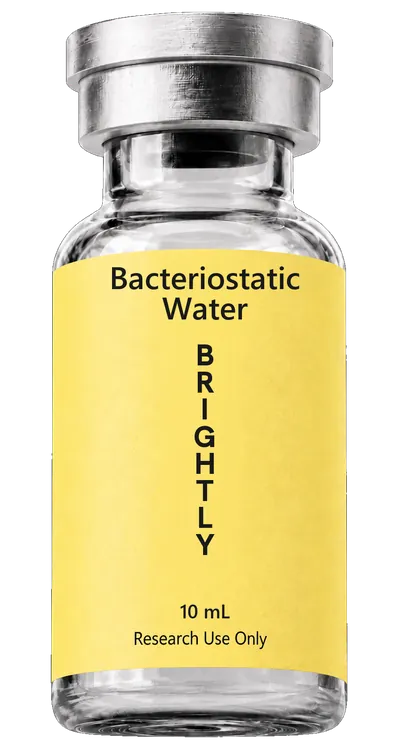
After reconstitution. Reconstitute with bacteriostatic water, then keep the solution refrigerated below 4 °C, aliquot to working volumes, and avoid repeated freeze-thaw cycles. Under appropriate laboratory conditions, reconstituted solutions typically remain stable for up to 30 days, following your own laboratory protocol.
- Same-day dispatch (USA)
- In-stock orders placed before 1:00 PM CT ship the same business day.
- Fast domestic delivery
- Free FedEx shipping on every order; express delivery is free on orders over $150.
- Protective handling
- Vials are held in temperature-controlled storage before shipment; the lyophilized powder is stable for ambient transit and is packed to limit temperature swings, moisture, and physical damage.
- Tracking and guarantee
- Tracking is provided at shipment, and every order is backed by our 30-day money-back guarantee.
For research use only. Not for human or animal consumption.
Accredited.
Researchers’ go-to, nationwide.
Frequently Researched Together
Popular pairings from the Brightly range